
HTML5 game publishing
"Games for Boys" and "Games for Girls" Queries: Build Genre Pages Instead
These searches are genre searches in disguise. Serve them with genre hubs, kinder wording and better filters, and take care with the children who arrive.
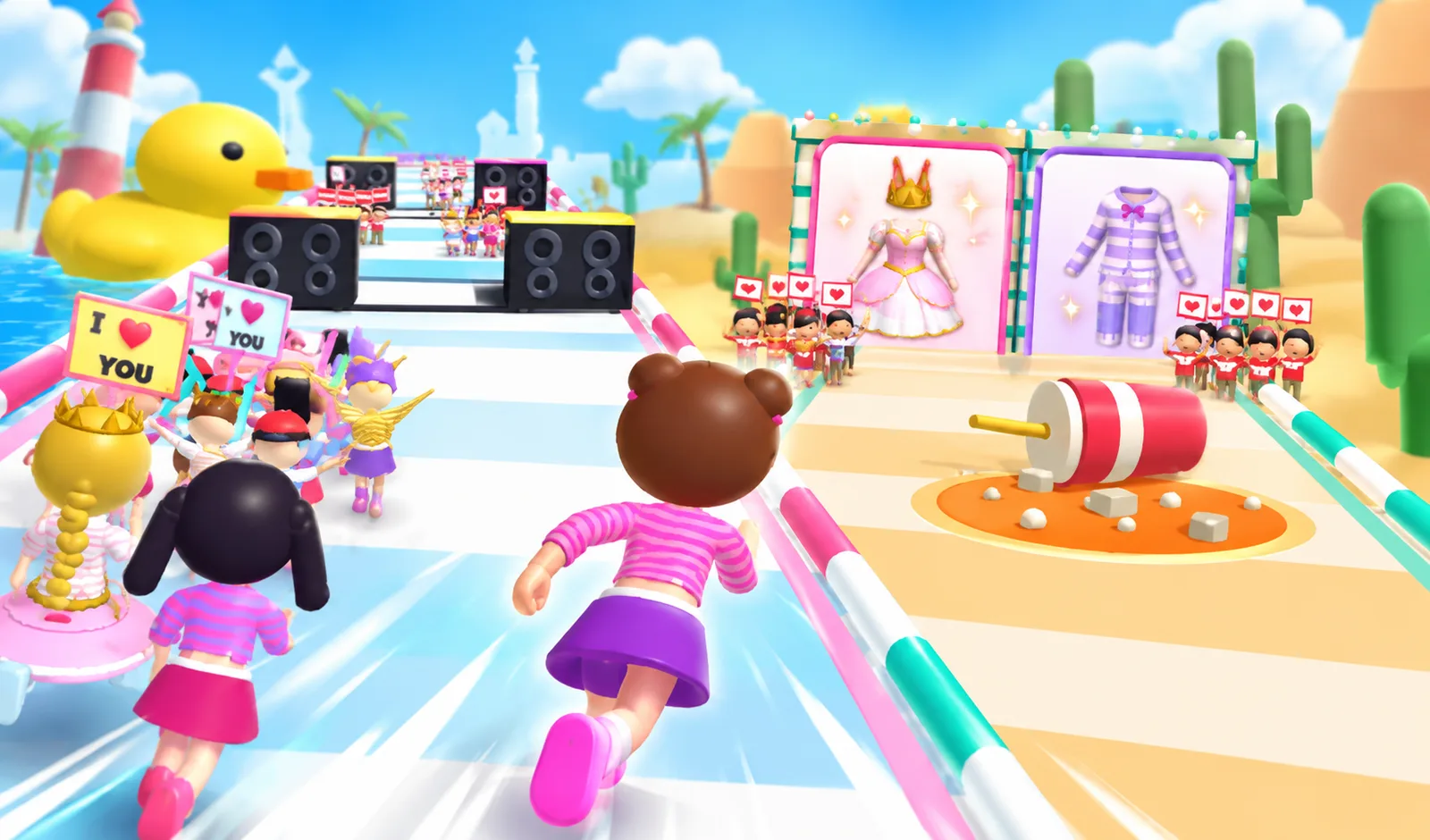

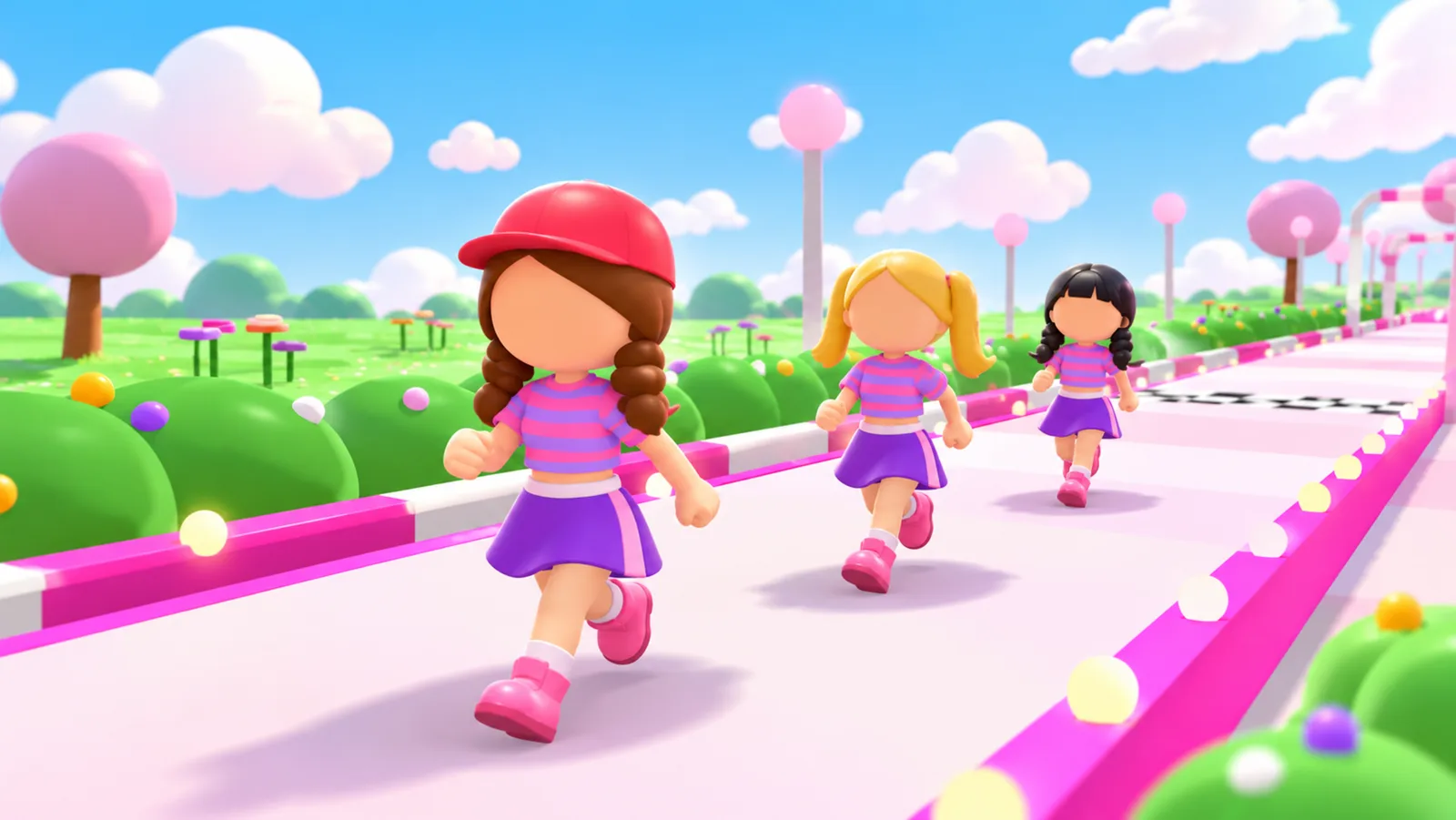
Look at any list of popular game searches and you will find "games for boys", "games for girls", "makeup games for girls", "games free for boys". If you run a games section, you may be tempted to build a "Games for Boys" and a "Games for Girls" page. Think carefully before you do. These queries are real, but they are mostly genre searches in disguise, and the way you build the pages decides whether they help visitors or just annoy them.
What these queries are really asking for
Someone who types "games for girls" is rarely saying "show me games only girls can enjoy". Usually they are a parent or a young player looking for a type of game: dress-up, makeup, cooking, pets, decorating. Someone who types "games for boys" is typically looking for racing, shooting, sports or building. These are genre clusters that have become associated with each audience in search habits, not facts about what children like.
The lesson is that the query is useful as a signal of genre, but a page that sorts games by gender is a poor answer. Plenty of girls play racing games and plenty of boys play cooking games. If the page tells a visitor what they should like, some will leave.
Serve the intent through genre pages
The better approach is to build pages for what the searcher probably wants, named for the game type, and to let your internal linking and wording connect them to the original query:
- "Makeup games for girls" becomes a page for makeup and makeover games, as covered in a makeup and ASMR section for your site.
- "Games for boys" becomes a hub linking to racing, sports, shooting and building pages.
- "Games for girls" becomes a hub linking to dress-up, pets, cooking and decorating pages.
Visitors can still find what they want with the words they typed, and the pages they land on describe the games honestly.
If you keep the wording, make it a hub
Some site owners will decide the phrases are too valuable to leave out. If so, treat them as hub pages, not as filtered lists of games:
- Write the introduction around the idea of choice. "Whatever you like to play, start here" works better than "games girls will love".
- Link out to genres with descriptive anchors. Do not paste a long list of embedded games on the hub page.
- Make sure every linked genre page works on its own and is not just a redirect.
- Do not use the stereotype as a recommendation in the text. Avoid sentences that say what boys or girls "love" or "prefer".
This keeps you from cannibalizing your genre pages, as discussed in hub pages versus category pages.
Think about who is actually reading
Many of these searches come from children or from parents. That has practical consequences:
- Your page must not collect personal data in a way that is inappropriate for minors. The relevant reading is your responsibilities if your site is for children.
- Do not add manipulative elements, such as countdown pressure and flashing "play now" boxes. Building a child-friendly games site lists the usual offenders.
- Check each game for suitability. A game in a "kids" section that turns out to have violent or unsuitable content is your problem on your page.
- Do not claim an age rating for a game unless you know it and it is true.
Better ways to filter than by gender
Instead of a gender label, offer filters that help any visitor:
- Mood. Calm, fast, funny, challenging.
- Session length. A few minutes, or longer.
- Device. Works on a phone, needs a keyboard. The feed has
deviceSupport, which makes this easy to build. - Players. Solo, two players on one keyboard, online.
- Theme. Animals, cars, space, food, fashion.
The feed gives you tags and categories to build most of these. See building category and tag pages from the feed.
Check the wording on the page
- Read the page aloud. If a sentence assumes a visitor's gender or interests, rewrite it.
- Look at your thumbnails. If every game on a "girls" page is pink and every game on a "boys" page is dark, the page is making a statement you did not decide to make. Choose images by what they show.
- Check the page title and meta description. Both should describe the games, not the audience.
- Ask someone outside your team to read it.
The practical answer
Treat "games for boys" and "games for girls" as signals that people want genre pages for the categories we associate with each. Build the genre pages, link them together, and write about the games rather than about who should like them. Your pages will serve the original searchers, serve everyone else too, and you will not have to defend a gender label in your own page title. For finding more of these hidden genre queries, see reading opportunity queries in Bing Webmaster Tools.