

Sandy Balls
Siradaki oyun
1 Ağustos 2026 · 6 min read
Not every puzzle genre trains the same skill. Here's what each type does, plus the games worth adding to a daily mental warmup.
Puzzle games are the closest thing gaming has to a gym for your brain. Regular puzzle-solving is linked to better working memory, faster pattern recognition and stronger problem-solving under pressure — and unlike an actual gym, it's a single click away, no membership required.
The single biggest mistake players make is rushing the first move. Before touching anything, spend ten seconds scanning the board — identify constraints, count pieces, look for forced moves where only one action works. That habit alone roughly doubles your solve rate on hard levels.
Cognitive research favors short, consistent sessions — ten to twenty minutes daily — over occasional long ones. Two or three quick puzzle games each morning is a realistic habit that compounds over months, unlike a single marathon session every few weeks.
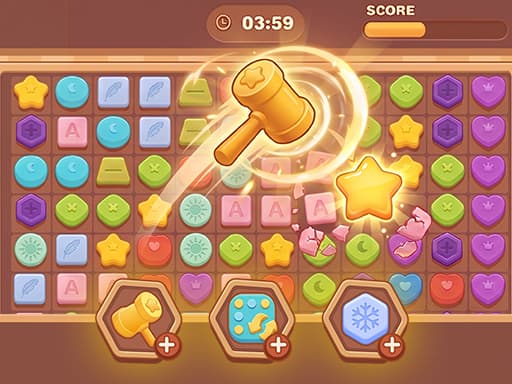
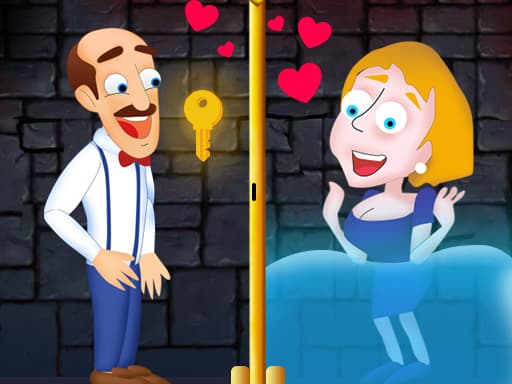
Most browser puzzle games are family-friendly with zero violence. Simple pattern and match-3 games suit younger kids; logic puzzles like pull-the-pin work well from around ages 8–10. Each game page notes suitability if you're choosing for a kid.
Alakalı rehberler
No timer forcing your hand, just you, a grid, and a shape that has to go somewhere. Here's what's worth the mental space.
puzzleNo random luck bailing you out — every clue narrows exactly one possibility. Here's what rewards careful thinking over quick reflexes, and how to actually get faster at it.
puzzleNo timer chasing you, no fail state punishing a slow afternoon — just letters, a little pattern-recognition, and a reason to put the phone down feeling calmer than you picked it up.
We use cookies for basic site analytics. Read our Privacy policy for details.